
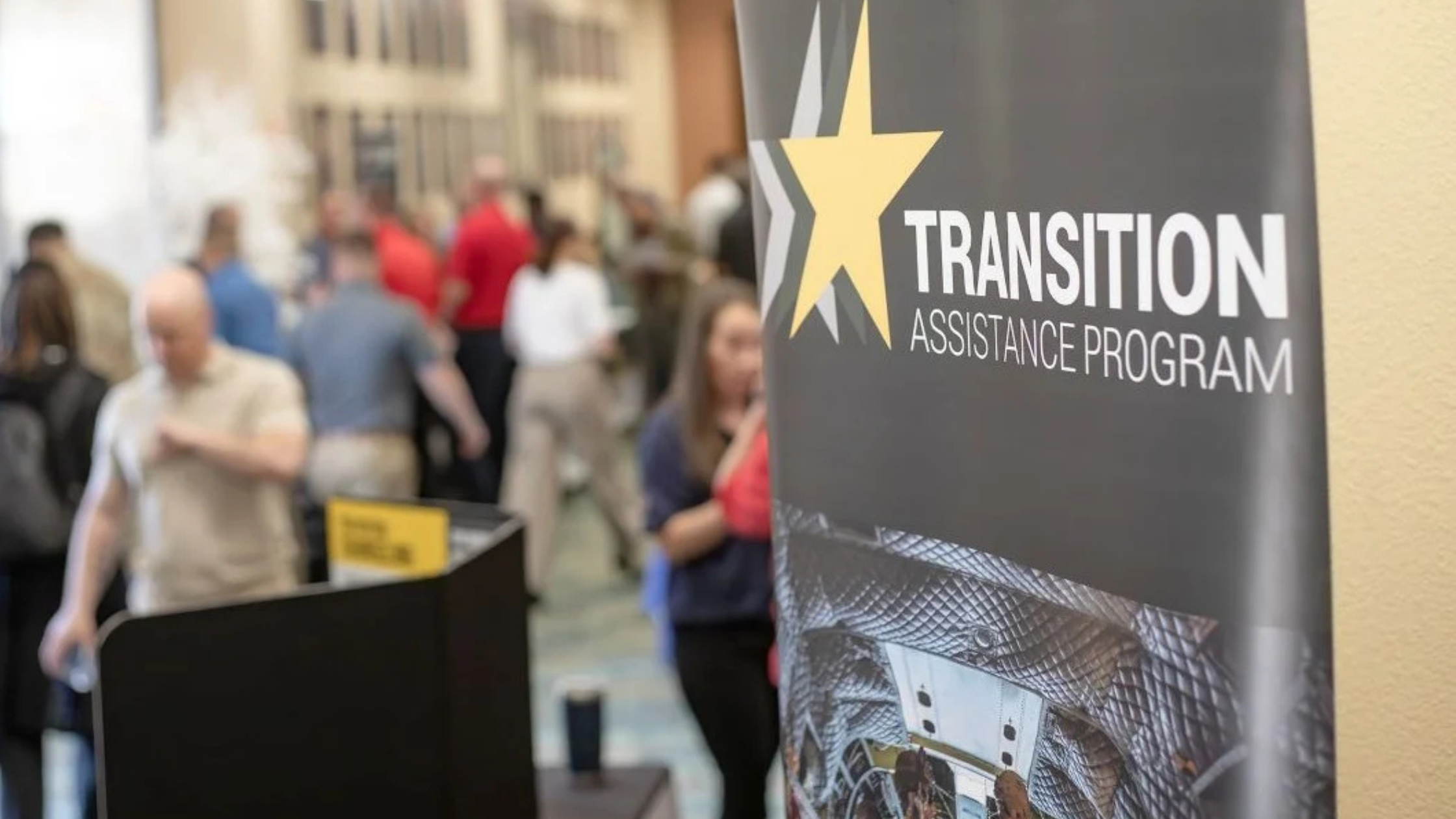
Every year, roughly 200,000 service members transition from active duty into civilian life. Some move seamlessly into careers, education, or retirement. Others struggle with employment, paperwork, housing, or simply redefining identity outside uniform. The difference often begins before separation.
The Department of Defense’s Transition Assistance Program (TAP) is designed to prepare service members for civilian life. But in 2026, the question isn’t whether TAP exists — it’s whether it’s working as effectively as it should.
What TAP Is Supposed to Do?
The U.S. Department of Defense outlines TAP as a mandatory program for separating service members. Its goal is straightforward: provide tools, counseling, and structured preparation before discharge. The official TAP portal explains required components, career tracks, and preparation timelines here: https://www.dodtap.mil/.
Participants typically receive:
- Pre-separation counseling
- Resume and employment workshops
- VA benefits briefings
- Financial planning guidance
- Education pathway information
The program has evolved over the years to become more structured and compliance-focused. But structure doesn’t always equal impact.
What’s Different in 2026 …
Transition oversight has increased in recent years. Congress and military leadership continue evaluating how effectively TAP prepares service members for civilian life — especially in areas like financial readiness, credential translation, and benefits awareness.
The U.S. Department of Veterans Affairs coordinates closely with DoD on benefits education and offers its own transition support resources.
The emphasis today is not just attendance — it’s outcomes.
Are separating service members:
- Leaving with clear employment plans?
- Understanding how to file disability claims?
- Aware of GI Bill benefits and housing allowances?
- Prepared for the timeline between separation and first VA payments?
Those practical questions matter more than attendance checklists.
Where Gaps Still Appear
Even with mandatory programming, challenges remain:
- Some service members attend TAP late in their separation timeline
- Career translation remains difficult for highly specialized MOS/AFSC ratings
- Financial planning often competes with relocation stress
- Awareness of VA filing deadlines can still be inconsistent
Transition is not a single event. It’s a multi-month (sometimes multi-year) adjustment.
And preparation quality often depends on engagement level — both from the service member and the instructors delivering the material.
Why Transition Preparation Matters More Than Ever
The first year after separation can shape long-term outcomes.
Employment stability, disability filing timing, housing decisions, and mental well-being often intersect in those early months. Veterans who file disability claims within the Benefits Delivery at Discharge (BDD) window, for example, may experience smoother processing timelines.
Without proper preparation, even eligible veterans can miss key deadlines or misunderstand available benefits.
Transition readiness isn’t about paperwork — it’s about preventing avoidable setbacks.
What Service Members Can Do Now …
For those preparing to separate in 2026:
- Begin TAP engagement early
- Review VA benefit options before final out-processing
- Explore BDD claims at least 90–180 days prior to separation
- Confirm documentation copies (medical, service, evaluations)
- Seek follow-up clarification rather than relying on a single briefing
Information is available — but initiative still matters.
Final Thoughts: Transition Is a System, Not a Moment
TAP continues to evolve, and oversight efforts aim to improve outcomes. But no program fully replaces proactive preparation.
Leaving the military is one of the most significant life transitions a service member will make. Programs can guide the process — but readiness ultimately depends on clarity, timing, and understanding.
In 2026, the real measure of transition success isn’t whether someone attended a workshop. It’s whether they step into civilian life informed, prepared, and supported.
If you’re preparing to transition — or supporting someone who is — don’t treat TAP as a box to check. Treat it as a starting point. Review official resources. Ask questions. Document everything. And make sure the next chapter begins with preparation, not uncertainty.