
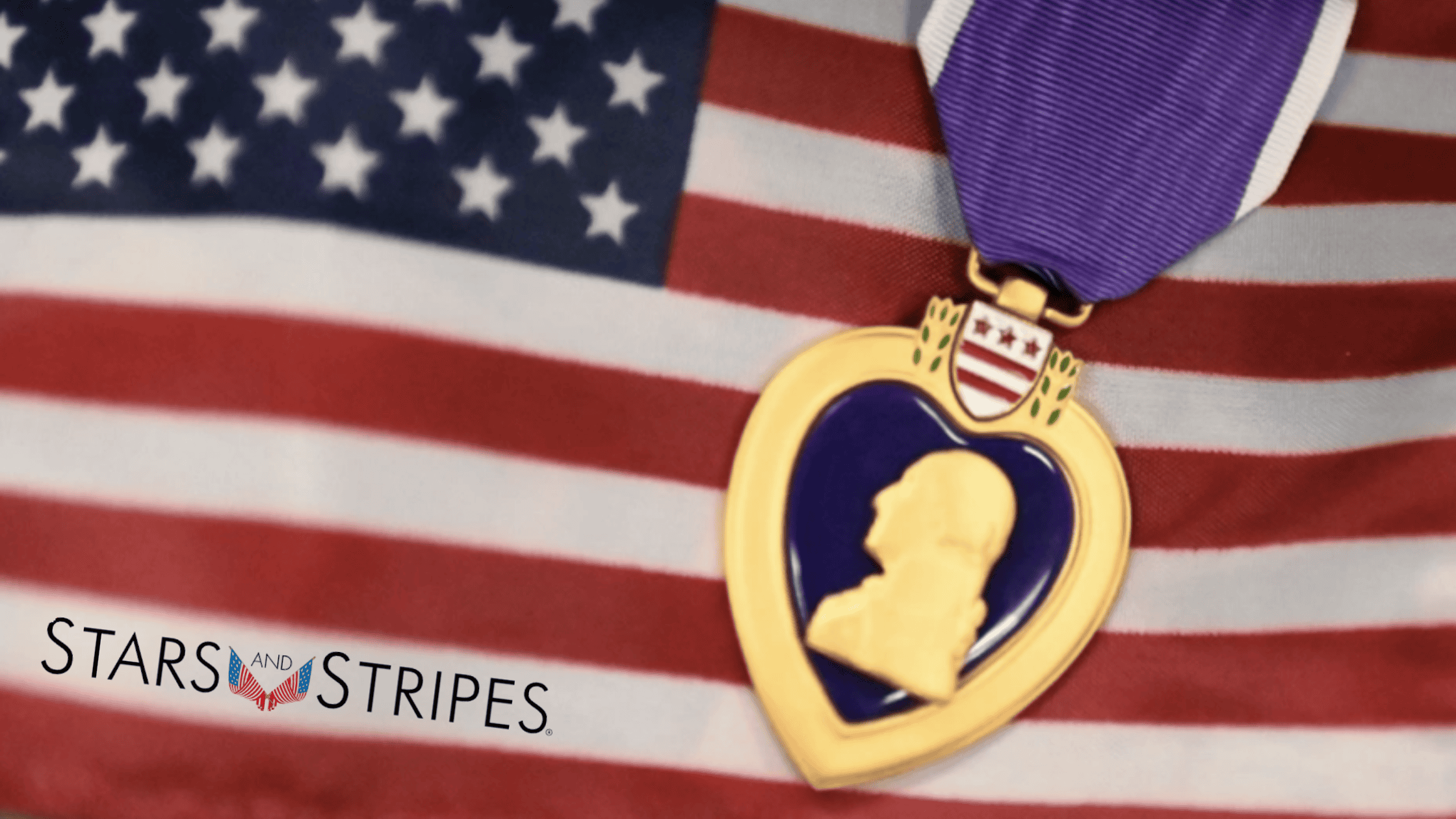
Earlier last year, we published an article exploring a long-standing and deeply personal debate in the veteran community: whether Post-Traumatic Stress Disorder (PTSD) should qualify for recognition through the Purple Heart.
That article — “Purple Hearts for PTSD?” — examined the history of the Purple Heart, the evolving understanding of combat-related trauma, and the perspectives of veterans who believe psychological wounds deserve recognition alongside physical ones.
The conversation struck a chord.
Revisiting the Question We Asked
In our original piece, we didn’t argue for easy answers. Instead, we explored why the question itself matters.
PTSD is now widely recognized as a service-connected injury — one that can be just as life-altering as visible wounds. Veterans living with PTSD often carry lasting impacts on their health, relationships, and ability to reintegrate into civilian life.
The article looked at:
- The historical criteria for Purple Heart eligibility
- How combat injuries have been defined over time
- Why PTSD challenges traditional distinctions between “visible” and “invisible” wounds
- The emotional and symbolic weight of recognition in military culture
At its core, the piece asked whether the military’s highest recognition for sacrifice should evolve as our understanding of war evolves.
National Recognition from Stars & Stripes
That discussion has now reached a wider audience.
On January 5, 2026, our reporting and analysis were cited by Stars & Stripes, one of the most respected publications serving the U.S. military and veteran community.
Their article — “Iraq War veteran wants Purple Heart awarded for PTSD” — builds on the same debate, highlighting firsthand veteran perspectives and the growing push to reconsider how combat injuries are recognized.
Being referenced by Stars & Stripes signals that this is no longer a fringe conversation. It’s part of a broader, national dialogue about service, sacrifice, and how we honor both.
Why This Matters …
Recognition doesn’t erase trauma — but it does acknowledge it.
For many veterans, conversations like this aren’t about medals. They’re about validation. About acknowledging that psychological injuries are real, service-connected, and deserving of respect.
The fact that this topic is now being discussed across multiple veteran platforms shows that the community is ready to have nuanced, thoughtful conversations — even when the answers aren’t simple.
Final Thoughts …
At Disabled Veterans, our goal has always been to elevate veteran voices, explore difficult topics honestly, and contribute meaningfully to conversations that affect those who served.
We’re honored to see our work referenced by Stars & Stripes and grateful to be part of an ongoing discussion that continues to evolve.
If you haven’t yet, we invite you to read our original article — and join the conversation.
7 thoughts on “Featured by Stars & Stripes: Why the Purple Heart for PTSD Conversation Is Gaining National Attention”
No pain pills, no surgery for spinal problems before they get out of hand and leave you totally unable to function, they won’t just straight up tell you to go get insurance. They’d rather you come there and jump through flaming hoops for a decade unti you commit suicide or do something there to be jailed. Then they aren’t responsible anymore. That’s even better for them. Do you know how easy it is for them to explain away a suicide? Only takes about 15 minutes and of course dead men tell no tales.
All the booze and dope because of mental health problems untreated made me even more mentally unstable. In service, combat mos, they discouraged sick call and missing training and PT. That’s why so many drank their medicine in the form of booze. No mental healthcare past duty hours so booze. Now in my 40s im a vegetable and the VA won’t fix pain problems requiring surgery so I’m wrecked and tucked. What am I supposed to do with disability pay besides eat? My fucking house is falling down around me because I can do nothing. What kind of healthcare is that?
If awarded for PTSD it should have the criteria that the PTSD had to be from Armed Conflict and no other form of PTSD.
They’ll say PTSD until you start getting into trouble with the law…then all of a sudden “tell me about childhood and family history of mental illness” (so we can relieve ourselves of responsibility and perhaps report this to VBA.) The VA is a disgrace and they’ll hire anyone and fire nobody. It’s donkey island, people do whatever they want, also not full Healthcare. Wait until you need spine surgery. They’ll leave you totally fkd and run you around in circles forever until you lose it.
I agree with Andre and John B. PTSD is a lifelong disability that very few people understand on the outside and it’s even worse inside the VA, where people should know better. The Purple Heart has always been for physical injuries and I don’t think that should change. But that doesn’t mean there shouldn’t be another way of acknowledging the sacrifices of others diagnosed with PTSD.
In all honesty, I feel that my service as a combatant (12B) screwed my life forever. I’m
proud of my service but truthfully, it ruined me financially for the rest of my life since.
Just watching my SS earning statement for instance clearly shows how I went from making 60k a year prior to service, to 15k afterwards and unable to gain meaningful employment due to my exacerbation of behavioral symptoms.
Yes, ptsd is a major disability I’m sorry to say.
This would be a excellent decision, PTSD is worse than being shot you get shot after that for the most part it is over unless there are complications, however PTSD never get better never goes away and the worse yet is people do no see PTSD as a creation of combat circumstances even the medical field VA and private just sees a person with PRSD as a problem child rude, insulting argumentative never the same view as seeing someone in a wheelchair or lost leg arm rarely as a result of the person having given his entire life away from himself to the issues of war that he fought in, some actual honest respect would go a long way in the right direction
Comments are closed.