
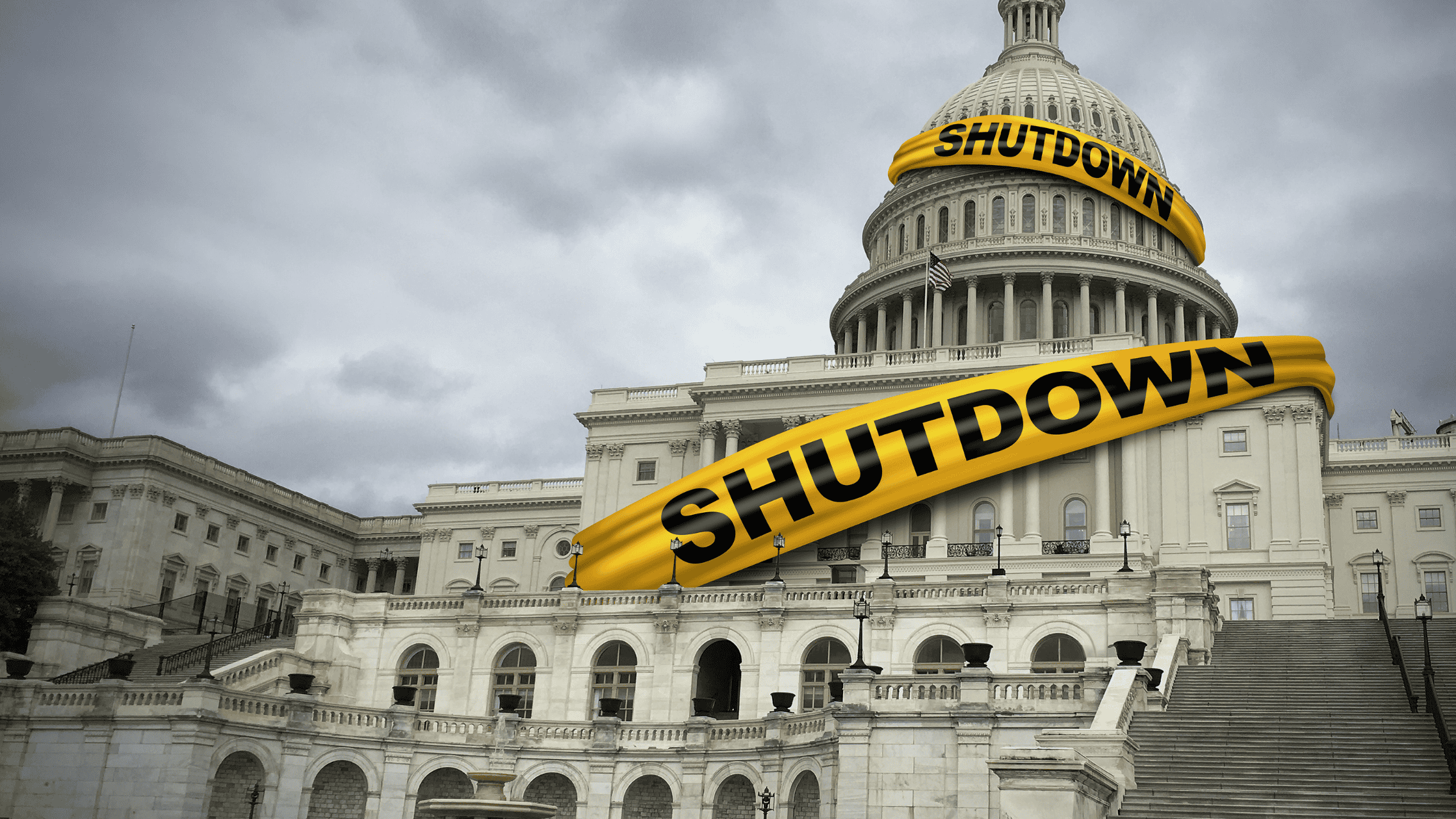
When talk of a government shutdown hits the headlines, veterans often brace for impact — wondering if their benefits, healthcare, and services could be disrupted. And with another potential shutdown looming in Washington, it’s worth unpacking what’s actually safe, what could pause, and what veterans should prepare for if lawmakers can’t reach a deal in time.
According to the Disabled American Veterans (DAV), the Department of Veterans Affairs will continue operating most of its core functions during a shutdown — but not without complications.
What’s Protected …
Here’s the good news: VA disability and pension payments will continue. These benefits are funded one year in advance, meaning they won’t be interrupted by short-term funding lapses. The same goes for GI Bill payments, veteran home loans, and healthcare services at VA hospitals and clinics.
Essential personnel — from doctors and nurses to claims processors handling life-dependent support — remain on the job. That includes operations tied to:
- VA Medical Centers and Clinics: They will still open for appointments, surgeries, prescriptions, and emergency care.
- Mental Health and Crisis Support: Veterans Crisis Line remains 24/7 and fully staffed.
- Claims Processing for Disability and Compensation: This will continue for now, though with potential delays if administrative staff are furloughed.
- Education and Vocational Rehabilitation Programs: Most payments should continue without interruption thanks to advanced appropriations.
What’s at Risk …
While the VA’s essential services are insulated, the Department of Labor’s Veterans’ Employment and Training Service (VETS) — which helps veterans find civilian jobs — could face furloughs.
The same goes for:
- Transition Assistance Programs (TAP) for newly separated servicemembers.
- National Cemetery Administration operations, where burial scheduling may slow due to reduced staff.
- Customer support lines and administrative offices, which could see longer wait times and slower responses.
And if the shutdown drags on, even programs initially protected by advanced funding could begin to feel strain — particularly in community care networks, where private-sector providers depend on timely VA reimbursements.
“The longer a shutdown lasts, the more pressure builds on VA facilities to operate without their full administrative and support systems,” DAV warned in its latest statement.
How Veterans Can Prepare …
While most benefits remain secure, there are still steps veterans can take to minimize stress or disruption:
- Confirm upcoming appointments now. If a shutdown occurs, you’ll already be on the schedule.
- Use online services like My HealtheVet or VA.gov to manage prescriptions, claims, and records.
- Keep contact info updated in all VA systems — so you don’t miss alerts or scheduling changes.
- Lean on veteran networks. Local organizations and VSOs often share real-time updates and resources during federal funding gaps.
The Bigger Picture …
The Bigger Picture …
The VA’s stability during shutdowns is the result of deliberate planning after past crises — like the 2013 lapse that left agencies scrambling. Advanced appropriations now protect veterans’ healthcare and benefits from political gridlock. But it’s not a perfect shield.
When the government falters, even protected programs can feel the tremors — from slower claims to delayed outreach, hiring freezes, and community care disruptions.
Because behind every “protected program” are real people — doctors, claims reps, caregivers, and veterans — who can’t pause their needs just because Congress can’t agree on a budget.
Shutdowns end. The mission doesn’t.
Keep following DisabledVeterans.org for news that cuts through the noise — because veterans deserve transparency, accountability, and the truth about what’s happening behind D.C. doors.
3 thoughts on “Government Shutdown and VA: Which Services Are Safe, Which Face Suspension”
Everyone needs to checkout article Veterans betrayed. The VA is causing mass suicides ,shooters and overdose deaths are near double the national average
That article is full of holes, inconsistencies, and downright factual lies. Not only that, but it also completely glosses over the fact that a) medication is up to the patient, and b) disregarded therapy modalities.
Mental health care within the VA is lightyears ahead of private sector.
va ordered diabetic shoes FOUR MONTHS ago, is this taking so long due to govt. shotdiwn??
Comments are closed.