
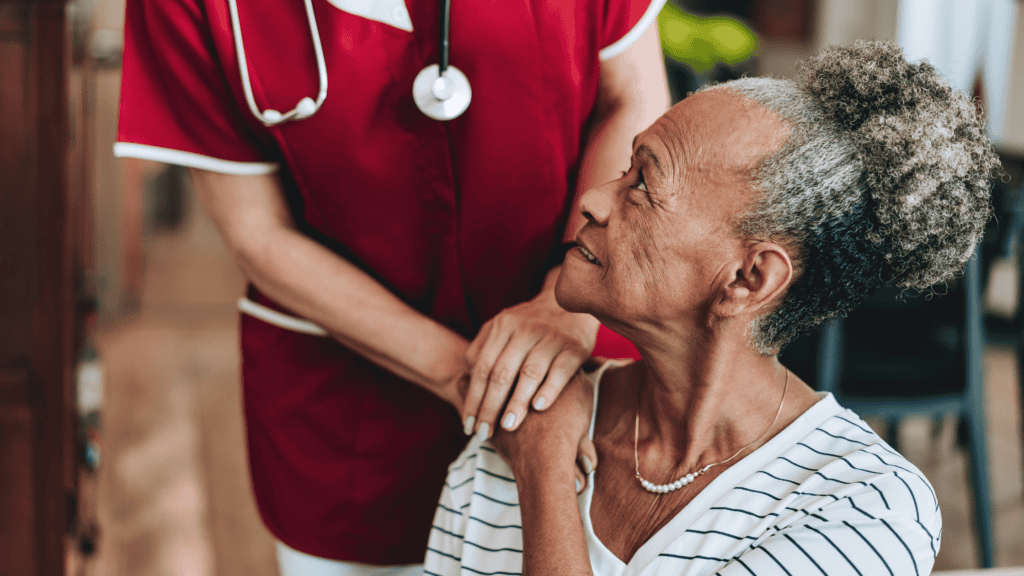
For many veterans, the hardest part of getting care isn’t the treatment itself — it’s getting to it. Distance, mobility challenges, chronic illness, and long wait times have all created barriers that make traditional clinic-based care difficult to access.
As 2026 begins, the U.S. Department of Veterans Affairs is continuing a shift that has been quietly gaining momentum: expanding home-based care and community partnerships so veterans can receive support where they are — not just where a facility happens to be.
This evolution reflects a broader understanding that effective veteran health care must be flexible, accessible, and rooted in real-world needs, not rigid systems.
A Shift Years in the Making …
Over the past several years, the VA has steadily increased its investment in community care networks, telehealth, and home-based primary care. Recent updates to VA community care contracts aim to improve access, quality, and coordination for veterans who rely on non-VA providers or live far from VA facilities.
According to recent VA updates on community care contracts, these changes are intended to:
- Reduce wait times for appointments;
- Expand access in rural and underserved areas;
- Allow veterans to receive care closer to home; and
- Improve continuity between VA and community providers.
The goal isn’t to replace VA facilities — it’s to extend their reach.
What Home-Based Care Looks Like in Practice
Home-based and community care models take many forms, including:
- Home-Based Primary Care (HBPC) for veterans with complex medical needs
- Telehealth appointments for mental health, follow-ups, and specialty consults
- Community Care referrals to local providers when VA care isn’t readily available
- In-home rehabilitation and therapy services
Programs like the VA Community Care Program and expanded VA telehealth and virtual care services allow veterans to receive timely care without unnecessary travel — a major benefit for aging veterans and those with mobility limitations.
As one VA clinician noted in recent reporting, “Care works best when it meets veterans where they are — physically, emotionally, and practically.”
Why Community Partnerships Matter …
Community care isn’t just about convenience — it’s about capacity. As veteran health needs evolve, especially with increased demand related to toxic exposure, mental health, and chronic illness, no single system can meet every need alone. By strengthening partnerships with civilian providers, the VA can:
- Expand specialty care access
- Reduce pressure on VA facilities
- Offer veterans more timely options
- Maintain continuity of benefits coverage
Veterans retain VA oversight and eligibility protections even when care is delivered in the community — ensuring quality standards remain intact.
What This Means for Veterans in 2026 …
As these programs continue to expand, veterans can expect:
- More flexibility in where and how care is delivered
- Fewer delays caused by travel or facility capacity
- Greater support for caregivers and families
- Improved access for rural and aging veteran populations
While challenges remain — including coordination and provider availability in some regions — the direction is clear: veteran care is becoming more adaptable, more personal, and more responsive.
Looking Ahead …
The expansion of home-based and community care reflects a meaningful evolution in how we define access. It recognizes that care isn’t just about buildings or systems — it’s about people, circumstances, and dignity.
As 2026 unfolds, these models will likely play an even greater role in ensuring veterans receive consistent, timely, and compassionate care — no matter where they live or what challenges they face.
Final Thoughts …
Veterans’ needs don’t fit neatly into office hours or facility boundaries — and neither should the care designed to support them. The VA’s continued investment in home-based and community care represents a practical, people-first approach to health care delivery.
By bringing care closer to home, the system becomes not only more efficient, but more humane. And for veterans navigating the complexities of health, aging, and daily life, that shift can make all the difference.
This is a very good thing, but I would love to see an increase in the property tax exclusion. It should be increased to at least $400k at a minimum. It has not been looked at in many a year?
Thank you!
Gary
Will this help your spouse
The VA might want to screen their home health nurses better. When I had 30% of my lung removed and collapsed lung (X2). The Home Health Nurse (in charge) called the morning the ambulance delivered me home (alone) to tell me he wasn’t going to come that day because it was snowing. When he asked how I was doing and I said quitting smoking after 50 years was driving me crazy, he promised to bring me a pack of cigarettes the following morning if I promised not to tell anyone.
With that kind of help, I chose to hang-up the phone and take care of the 2 tubes coming out of my lung, myself. The VA never asked why I refused the help of an incompetent nurse who promoted smoking after losing 30% of a lung to lung cancer and I was suffering too much to complain.