
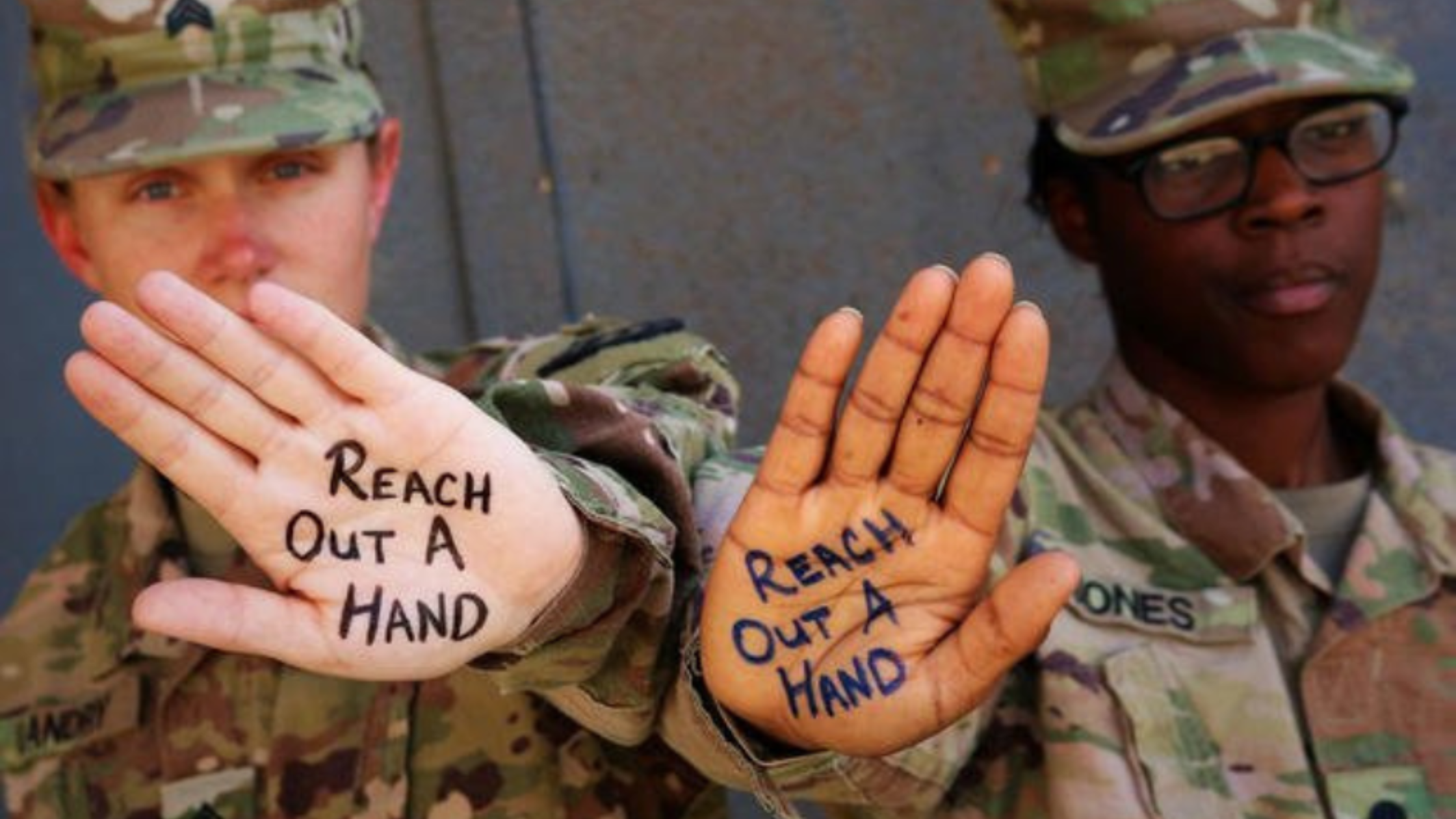
The latest numbers on veteran suicide contain both encouraging news and a difficult reality.
In 2024, 6,488 veterans died by suicide, according to the Department of Veterans Affairs’ newly released National Veteran Suicide Prevention Annual Report. That averages approximately 17.7 veteran suicide deaths every day. But one of the most important findings isn’t the overall number. It’s where those veterans were receiving care.
Veterans enrolled in VA healthcare experienced a decline in suicide rates. Among veterans outside the VA healthcare system, the rate moved in the opposite direction. That divide may help identify one of the biggest challenges facing veteran suicide prevention: How do you reach veterans who aren’t connected to VA at all?
Suicide Declined Among Veterans Using VA Healthcare
According to VA’s September 30 announcement, the suicide rate among veterans enrolled in Veterans Health Administration care fell 4.8% from 2023 to 2024. Among veterans who were not enrolled in VHA care, however, the suicide rate increased 3.7%. That doesn’t prove VA healthcare itself caused the difference.
Suicide is extraordinarily complex, and factors including physical and mental health, relationships, finances, employment, housing, substance use, social isolation, access to firearms, and previous trauma can all influence risk. But the difference is significant enough to pay attention to. And another number makes the challenge even clearer.
Most Veterans Who Died Weren’t Recently Receiving VA Healthcare
VA reports that approximately 62% of veterans who died by suicide in 2024 had not received VHA healthcare during the year they died or the previous year. In other words, the majority of veterans lost to suicide weren’t regularly interacting with the healthcare system specifically designed to serve them. That’s a major obstacle for prevention.
VA can screen veterans for suicide risk.
Healthcare providers can recognize warning signs.
Mental health teams can offer treatment.
VA can connect veterans with peer support, social workers, substance-use treatment, housing assistance, and other services. But those systems have far fewer opportunities to intervene when the veteran never walks through the door.
Veteran Suicide Remains Disproportionately High
The overall veteran suicide rate continues to exceed that of the non-veteran U.S. adult population. After adjusting for differences in age and sex, VA reported that the veteran suicide rate in 2024 remained substantially higher than the rate among non-veteran adults. That means progress in one year shouldn’t be mistaken for the problem being solved. Thousands of veterans are still dying every year. And some groups continue to experience disproportionately high risk. The annual report examines differences involving age, sex, race, ethnicity, geographic location, military service history, and other factors to help VA and community organizations identify where prevention efforts may be most needed.
Reaching Veterans Outside VA Is Becoming a Bigger Priority
VA appears increasingly aware that suicide prevention cannot happen entirely inside VA hospitals and clinics.
Just one day before releasing the new suicide data, VA announced nearly $112 million in grants to 191 community organizations through the Staff Sergeant Parker Gordon Fox Suicide Prevention Grant Program.
Those organizations provide suicide-prevention services to eligible veterans and their families outside traditional VA medical settings. That can include outreach, mental health screenings, case management, peer support, benefits assistance, emergency treatment referrals, and connections to other community resources. The timing is notable.
If most veterans who die by suicide aren’t actively receiving VA healthcare, community-based prevention isn’t simply an additional service. It may be one of the few ways to reach veterans who otherwise remain completely outside the system.
Why Veterans May Stay Outside VA Care
There isn’t one reason veterans don’t use VA healthcare. Some have private insurance and prefer civilian providers. Others may live far from a VA facility. Some don’t realize they’re eligible. Others may have had poor experiences with VA in the past or assume the system won’t help them. And some veterans simply don’t identify strongly with the word “veteran” after leaving military service.
That last group can be particularly difficult to reach because they may never think to seek veteran-specific healthcare or support.
This is one reason community organizations, veteran service organizations, friends, family members, employers, and fellow veterans can play an important role. Sometimes the first person to recognize that a veteran is struggling isn’t a doctor.
Connection Matters Beyond Mental Healthcare
The findings also reinforce something VA has increasingly emphasized through its broader approach to veteran well-being.
Last week, DisabledVeterans.org looked at VA’s expanding Well-being Signs initiative, which evaluates more than physical or mental health alone. It considers social, vocational, and financial well-being too. That’s relevant here because suicide prevention isn’t exclusively about psychiatric treatment.
A veteran may be dealing with chronic pain, unemployment, financial problems, relationship breakdown, housing instability, isolation, disability, or several of those challenges simultaneously.
Connecting veterans with healthcare matters. But connecting them with people, resources, purpose, and support matters too.
The Numbers Are Improving, But the Mission Isn’t Finished
There is legitimate good news in this report.
The suicide rate among veterans receiving VA healthcare declined. That’s worth recognizing. But 6,488 veteran deaths are also 6,488 reminders that there is far more work to do. Perhaps the most important takeaway from this year’s report is that VA cannot prevent every veteran suicide from inside VA.
Many of the veterans at greatest risk may never schedule an appointment. They may never ask for help. They may never appear on a clinician’s screening questionnaire. Finding ways to reach those veterans before a crisis may be just as important as improving the care available once they enter the system.
Final Thoughts …
Veteran suicide statistics can become disturbingly easy to reduce to one number.
17.7 per day. But behind that average are thousands of individual veterans, families, friends, coworkers, and communities. The latest VA report offers a small sign of progress among veterans connected to VA healthcare. It also identifies a much larger challenge.
The majority of veterans who died by suicide weren’t recently receiving that care at all.
If veteran suicide prevention is going to continue improving, the next breakthrough may not happen inside a VA hospital. It may happen when someone reaches a veteran who never planned to walk into one.
If you or a veteran you know is in crisis, dial 988 and press 1 to reach the Veterans Crisis Line. You can also text 838255 or use the Veterans Crisis Line online chat.
You do not need to be enrolled in VA healthcare or receiving VA benefits to use the Veterans Crisis Line.
Veterans who aren’t currently receiving VA healthcare can also check their eligibility and apply for VA healthcare. And if you’re worried about another veteran, don’t underestimate the value of reaching out. Sometimes connection starts with nothing more complicated than asking how someone is doing and sticking around long enough to hear the answer.