
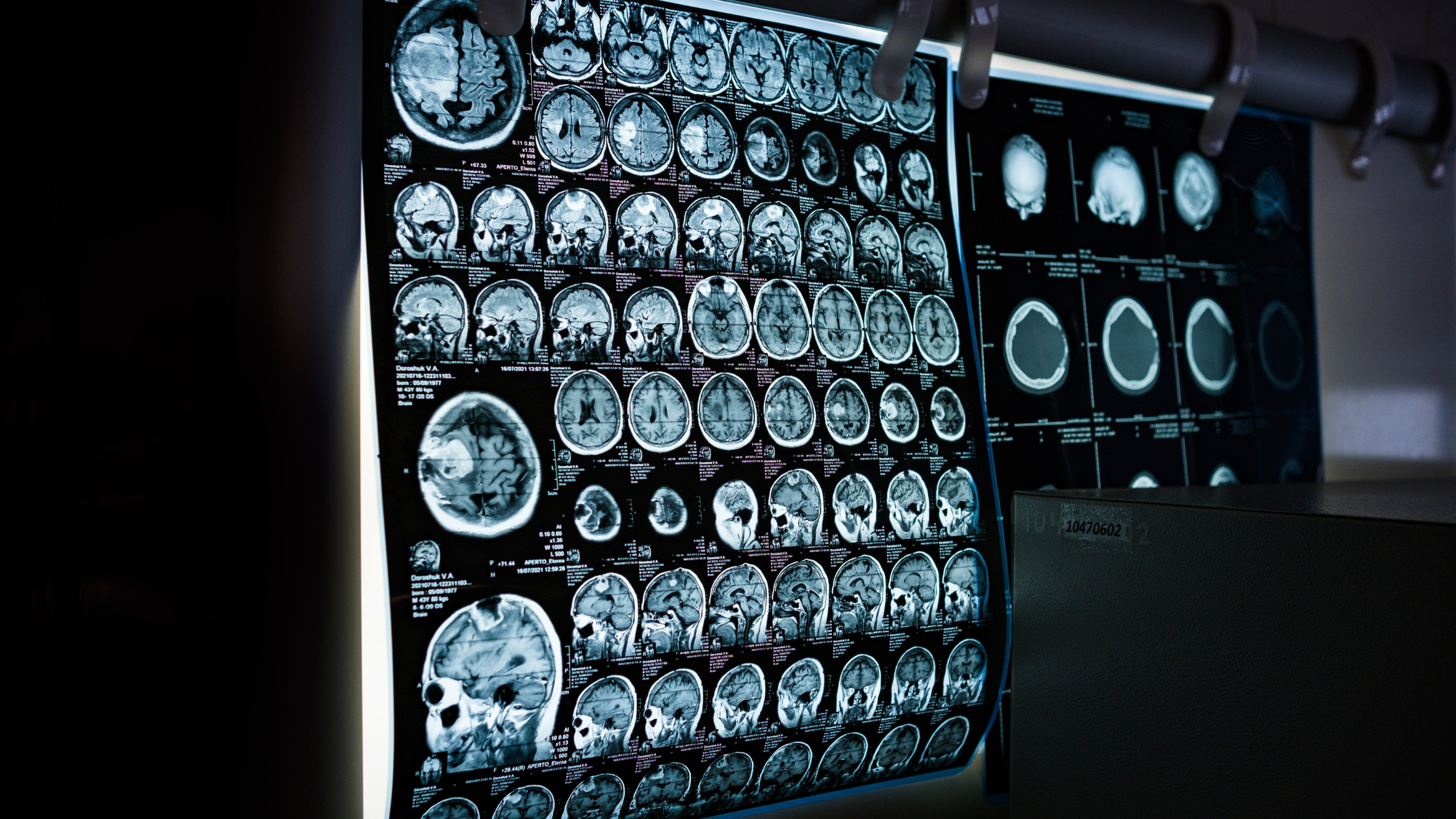
For many veterans living with the effects of a traumatic brain injury (TBI), getting specialized care hasn’t always been easy … Some live hours away from the nearest VA medical center with brain injury specialists. Others face mobility challenges, transportation barriers, or medical conditions that make frequent travel difficult. Now, the Department of Veterans Affairs is expanding access through a program designed to bring expert care directly to veterans — no matter where they live.
Known as TeleTBI, the program connects veterans with specialized traumatic brain injury providers using secure telehealth technology, helping more veterans receive the care they need without leaving home. For many veterans, that could mean earlier treatment, better follow-up care, and improved quality of life.
Understanding Traumatic Brain Injury
Traumatic brain injuries are among the most common invisible injuries affecting veterans.
A TBI can result from:
- Blast exposure
- Falls
- Vehicle accidents
- Training incidents
- Sports injuries
- Other impacts to the head
While some symptoms resolve relatively quickly, others may last for months — or even years. Veterans living with a TBI may experience:
- Persistent headaches
- Memory problems
- Difficulty concentrating
- Balance issues
- Dizziness
- Sleep disturbances
- Mood changes
- Sensitivity to light or noise
Because these symptoms often overlap with conditions such as PTSD or depression, diagnosing and treating brain injuries can sometimes be complex.
Bringing Specialists Closer to Veterans
The VA’s TeleTBI program was developed to help overcome one of the biggest obstacles many veterans face … Distance.
Rather than requiring every veteran to travel to a facility with specialized brain injury experts, TeleTBI allows providers to conduct evaluations, consultations, treatment planning, and follow-up appointments through secure virtual visits. This approach gives veterans access to clinicians with expertise in brain injury rehabilitation while allowing them to remain in their own communities. For veterans living in rural areas, that can make a significant difference.
More Than a Video Appointment
TeleTBI isn’t simply a video call. The program connects veterans with interdisciplinary teams experienced in treating traumatic brain injuries. Depending on an individual’s needs, care may include:
- Neurological evaluations
- Cognitive assessments
- Rehabilitation planning
- Symptom management
- Coordination with local providers
- Ongoing follow-up care
By combining specialized expertise with telehealth technology, veterans receive care that may otherwise require extensive travel.
Why Early Care Matters
Brain injuries don’t always present obvious symptoms immediately after an accident or blast exposure. Some veterans may not recognize the connection between a past injury and ongoing problems with memory, concentration, headaches, or balance until years later. Seeking evaluation early can help providers better understand what’s causing those symptoms and identify treatment options that may improve daily functioning. Even veterans who experienced a mild traumatic brain injury years ago may benefit from discussing lingering symptoms with their healthcare team.
Expanding Access Through Technology
Telehealth has become an increasingly important part of VA healthcare over the past several years.
Programs like TeleTBI demonstrate how technology can expand — not replace — personalized care. Instead of asking veterans to travel long distances to find specialized expertise, providers can often meet veterans where they are, reducing barriers that might otherwise delay treatment.
It’s another example of how the VA continues exploring ways to improve access to care for veterans across the country, particularly those living in rural or underserved communities.
Could TeleTBI Be Right for You?
Not every veteran with a head injury will need TeleTBI services. However, veterans experiencing ongoing symptoms related to a past brain injury may want to discuss their concerns with their VA primary care provider. Depending on their medical history and current needs, providers can determine whether a referral to specialized brain injury services — including TeleTBI — is appropriate. Understanding available options is often the first step toward getting the right care.
Final Thoughts …
Traumatic brain injuries can affect nearly every aspect of a veteran’s life, from memory and concentration to work, relationships, and overall well-being.
Access to specialized care shouldn’t depend on where a veteran lives.
By expanding programs like TeleTBI, the VA is helping more veterans connect with experts who understand the unique challenges of brain injuries while reducing the burden of travel and increasing access to treatment. Sometimes, improving healthcare isn’t about building another clinic. It’s about bringing expert care closer to the veterans who need it most.
If you or someone you know continues to experience symptoms after a head injury, don’t assume it’s simply something you have to live with. Talk with your VA healthcare provider about available brain injury services and whether TeleTBI or other specialty programs may be appropriate for your situation.For more updates on VA healthcare innovations, benefits, and programs impacting veterans nationwide, continue visiting DisabledVeterans.org.