
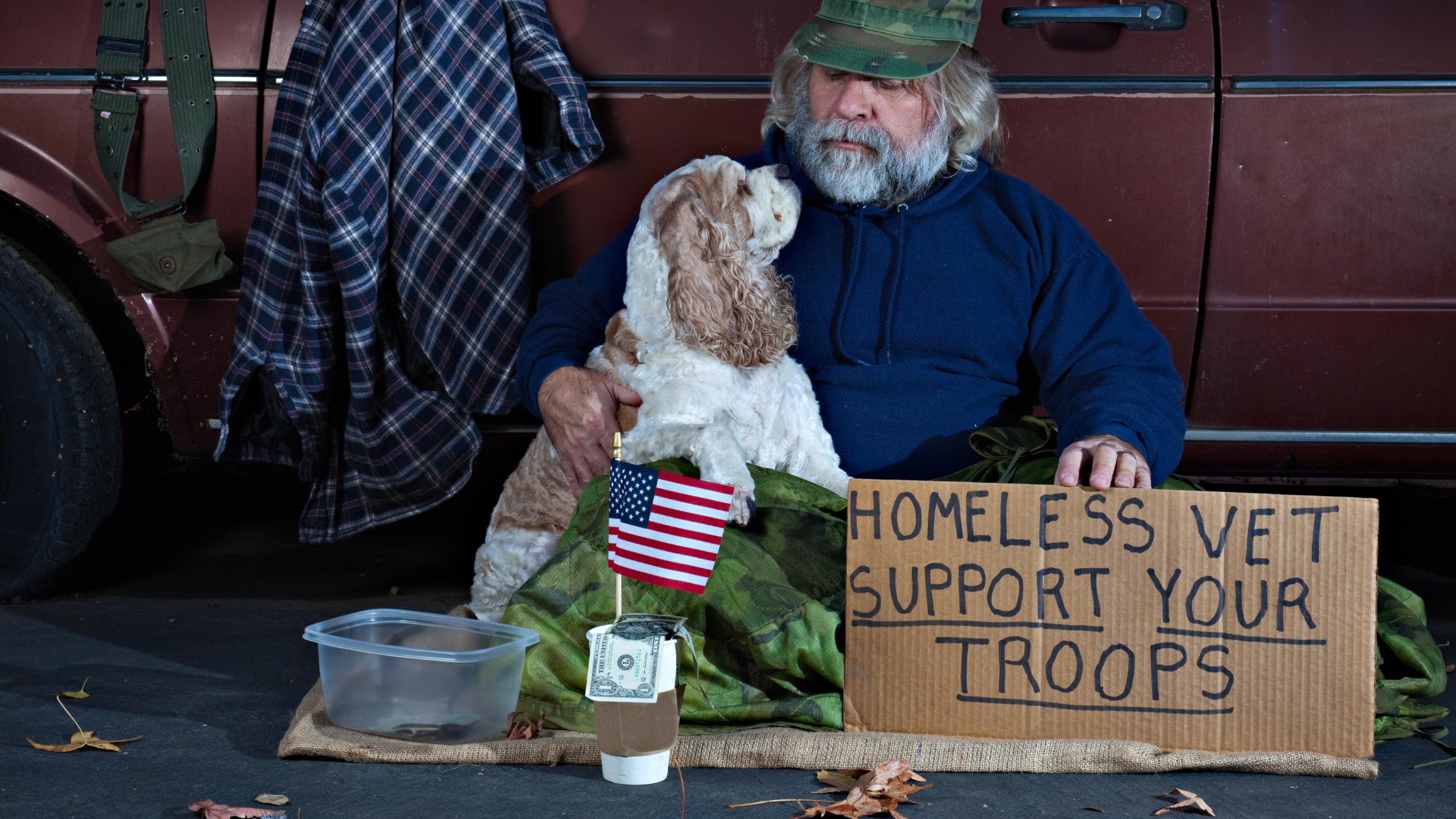
For decades, efforts to address veteran homelessness have focused on one critical goal:
Helping veterans after they lose stable housing.
Emergency shelters, housing vouchers, financial assistance, and outreach programs have made a meaningful difference for thousands of veterans across the country. In fact, recent data from the U.S. Department of Veterans Affairs and the U.S. Department of Housing and Urban Development show that veteran homelessness has declined significantly over the past decade thanks to coordinated national efforts.
But what if support could begin before a veteran ever reached a crisis?
That’s the question researchers are now exploring — and the answer could change how veterans receive help in the years ahead.
A New Approach to an Old Challenge …
A recently published research study examined whether existing VA healthcare records could help identify veterans who may be at greater risk of experiencing homelessness in the future.
Rather than waiting until someone loses stable housing, researchers analyzed health records, demographic information, and patterns of healthcare use to identify early warning signs. The study reviewed data from more than 4.2 million veterans, making it one of the largest predictive analyses of veteran homelessness conducted to date.
Instead of asking, “Who needs help now?”
Researchers asked: “Who may need help before a crisis begins?”
Looking for Patterns, Not Predictions About Individuals
It’s important to understand what this type of research is — and what it isn’t. The goal isn’t to label individual veterans or assume someone’s future. Instead, researchers look for broad patterns that have historically been associated with increased housing instability.
Those patterns may include combinations of:
- Healthcare utilization
- Mental health diagnoses
- Economic stressors
- Chronic medical conditions
- Previous housing challenges
- Social support indicators
When viewed together across millions of records, these trends can help identify where additional outreach or support may have the greatest impact.
Why Prevention Matters
Once a veteran becomes homeless, recovery often requires navigating multiple challenges at once.
… Housing.
… Employment.
… Healthcare.
… Transportation.
… Mental health.
… Financial stability.
Each issue affects the others.
Preventing homelessness before it occurs is often far less disruptive — and far less costly — than responding after a crisis has already developed. That philosophy has increasingly guided veteran housing initiatives over the past several years.
The Role of Technology …
As discussed in previous DisabledVeterans.org coverage, the VA continues expanding its use of technology to improve veteran services. While recent conversations have focused on artificial intelligence and digital modernization, predictive research like this represents a different kind of innovation. Rather than replacing human decision-making, technology can help identify trends that might otherwise go unnoticed. That allows healthcare providers and support teams to intervene earlier when appropriate.
In other words, technology becomes a tool for prevention — not simply efficiency.
Human Judgment Still Comes First
Researchers are also careful to emphasize that predictive models should never replace human judgment.
Veterans are individuals. Every situation is unique.
No computer model can fully account for personal resilience, family support, community connections, or unexpected life changes.
Instead, these tools are intended to help healthcare providers ask better questions, identify potential concerns earlier, and connect veterans with resources before problems become emergencies.
The goal isn’t prediction for prediction’s sake.
It’s prevention.
Why This Research Matters
Homelessness rarely happens because of one event. More often, it’s the result of multiple pressures building over time.
By recognizing those pressures earlier, the VA and community organizations may be able to connect veterans with housing assistance, healthcare, counseling, financial resources, or other services before housing is lost. That shift — from crisis response to early intervention — represents an important evolution in veteran support.
Final Thoughts …
Veteran homelessness remains one of the nation’s most significant challenges. But new research suggests that the future may not simply be about responding faster. It may be about recognizing risk sooner.
If healthcare systems can responsibly identify veterans who may benefit from earlier support, countless individuals and families could avoid the hardships that come with losing stable housing. Technology alone won’t solve veteran homelessness. But when combined with experienced professionals, strong community partnerships, and continued investment in prevention, it may become one more tool that helps veterans receive assistance before a crisis ever begins. And sometimes, preventing the emergency is the most meaningful form of support of all.
If you or someone you know is struggling with housing insecurity, don’t wait until the situation becomes a crisis. The VA offers housing assistance, case management, and supportive services designed to help veterans remain safely housed whenever possible. Learning about available resources early can make all the difference.
Continue visiting DisabledVeterans.org for the latest research, policy updates, and practical information impacting veterans across the country.