
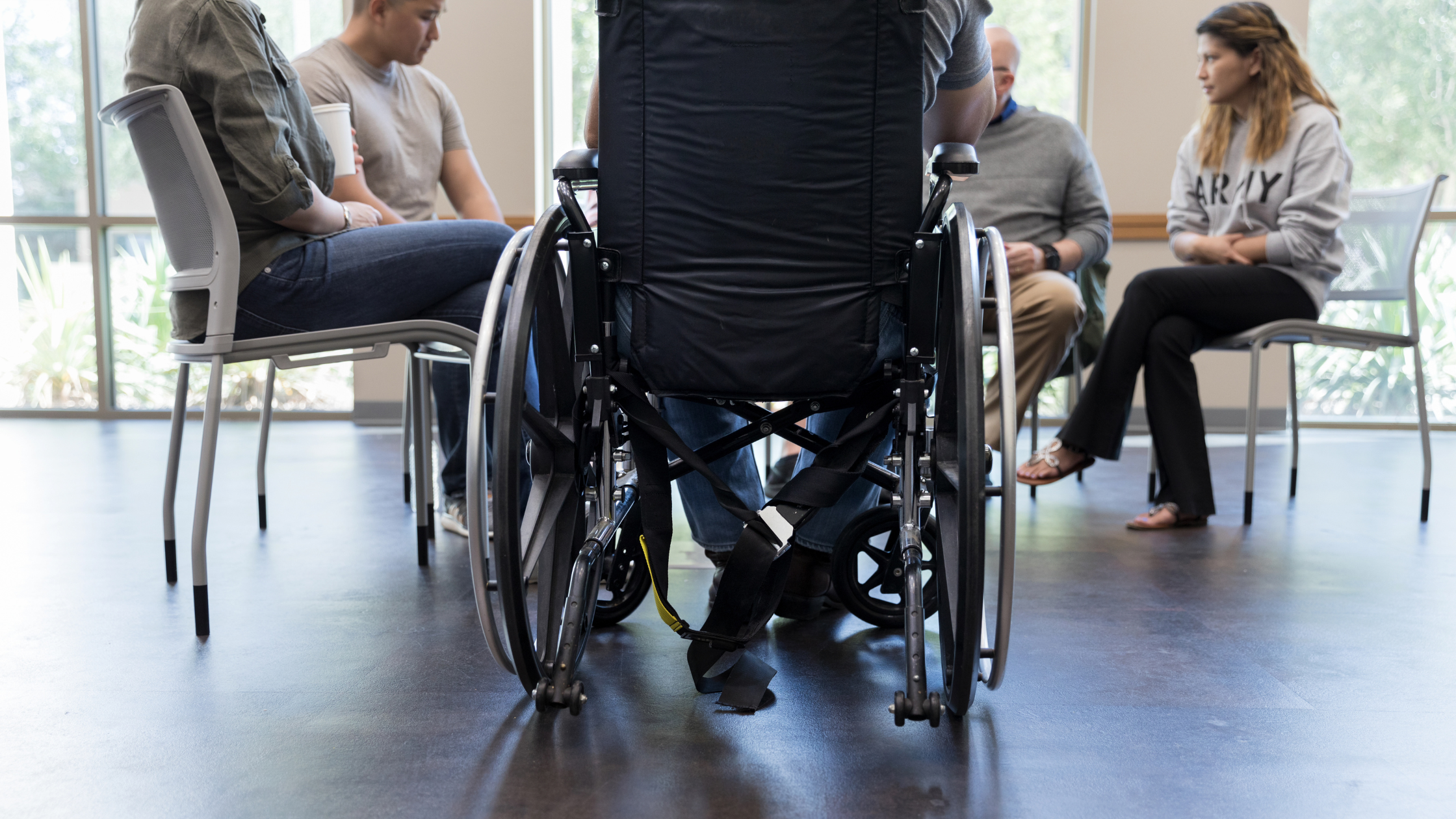
When people think about veteran support, they often think about the veteran.
- The disability claim.
- The medical appointment.
- The rehabilitation program.
- The mental health treatment plan.
But behind many of those journeys is someone else quietly carrying part of the load:
A caregiver. Whether it’s a spouse helping manage medications, a parent coordinating appointments, or a family member providing daily assistance, caregivers play a critical role in the lives of countless veterans. And in 2026, as veterans live longer and healthcare needs continue evolving, many advocates are asking an important question: Are veteran caregivers getting the support they need to continue supporting others?
The Hidden Backbone of Veteran Care
For many veterans, especially those living with serious injuries, chronic illnesses, PTSD, traumatic brain injuries, or age-related health conditions, caregiving isn’t an occasional responsibility.
It’s a daily commitment.
Caregivers often assist with:
- Transportation to appointments
- Medication management
- Scheduling and coordination
- Personal care needs
- Emotional support
- Household responsibilities
- Communication with healthcare providers
In many cases, these responsibilities stretch across months, years, or even decades. And while the work may happen behind closed doors, its impact is enormous.
Why Caregiving Has Become More Complex
Today’s veteran population is incredibly diverse. The U.S. Department of Veterans Affairs serves veterans from multiple generations, each with unique healthcare needs. Some veterans require support because of combat-related injuries. Others face long-term effects from toxic exposures, chronic health conditions, or age-related challenges.
As medical care improves and veterans live longer, caregiving often becomes more complex — not less. The result is that many caregivers are providing increasingly sophisticated support while balancing careers, families, and other responsibilities of their own.
The Emotional Side of Caregiving …
The physical demands of caregiving often receive attention.
The emotional demands sometimes receive less.
Caregivers frequently experience:
- Stress
- Fatigue
- Anxiety
- Burnout
- Social isolation
- Financial strain
Many spend years focused on the needs of someone else before realizing they have neglected their own well-being. Ironically, some of the same challenges discussed in conversations about veteran wellness can affect caregivers too. The difference is that caregivers are often less likely to seek support for themselves.
What Support Programs Exist?
Recognizing the critical role caregivers play, the VA has expanded several caregiver-focused resources over the years. Through the VA Caregiver Support Program, eligible caregivers may access:
- Education and training
- Peer support opportunities
- Counseling resources
- Respite care assistance
- Caregiver-specific programs and services
Additional family support resources are available through the VA’s family member benefits information and healthcare support programs. These efforts represent meaningful progress compared to where caregiver support stood a decade ago.
Why Many Caregivers Still Feel Overlooked
Even with expanded programs, some caregivers continue reporting challenges related to:
- Eligibility requirements
- Program awareness
- Application complexity
- Access to local resources
- Navigating multiple systems
For many families, the issue isn’t that support doesn’t exist. It’s knowing where to find it — and understanding how to access it. That challenge becomes even more difficult when caregivers are already stretched thin by the responsibilities they carry every day.
The Financial Reality …
Caregiving often affects more than schedules and stress levels. It can affect income. Some caregivers reduce work hours, change careers, or leave the workforce entirely to provide care. Those decisions can have long-term financial consequences. When combined with rising healthcare costs and everyday living expenses, caregiving responsibilities can create significant economic pressure for families. This is one reason many veteran advocacy organizations continue pushing for stronger caregiver support and greater awareness of available resources.
Why This Matters for Veterans
Supporting caregivers isn’t separate from supporting veterans.
The two are connected.
When caregivers have access to resources, education, and support, veterans often benefit as well. Stronger caregiver networks can improve:
- Continuity of care
- Health outcomes
- Appointment attendance
- Quality of life
- Family stability
In many cases, caregivers become one of the most important support systems a veteran has.
Final Thoughts …
Veteran caregivers rarely seek recognition. Most simply step into the role because someone they love needs help. But their contributions deserve attention.
As the veteran population evolves and healthcare needs become more complex, caregivers will continue playing an essential role in supporting veterans across the country. The question moving forward isn’t whether caregivers matter. The question is whether enough is being done to support the people who spend so much of their lives supporting others.
Are you a caregiver — or do you know someone who is?
Take time to explore the resources available through the VA Caregiver Support Program and other family support services. Sometimes the strongest thing a caregiver can do is ask for support before burnout takes hold. And if you’re a veteran, consider thanking the caregiver who helps make your journey possible. Their contribution may be one of the most important forms of service happening today.