
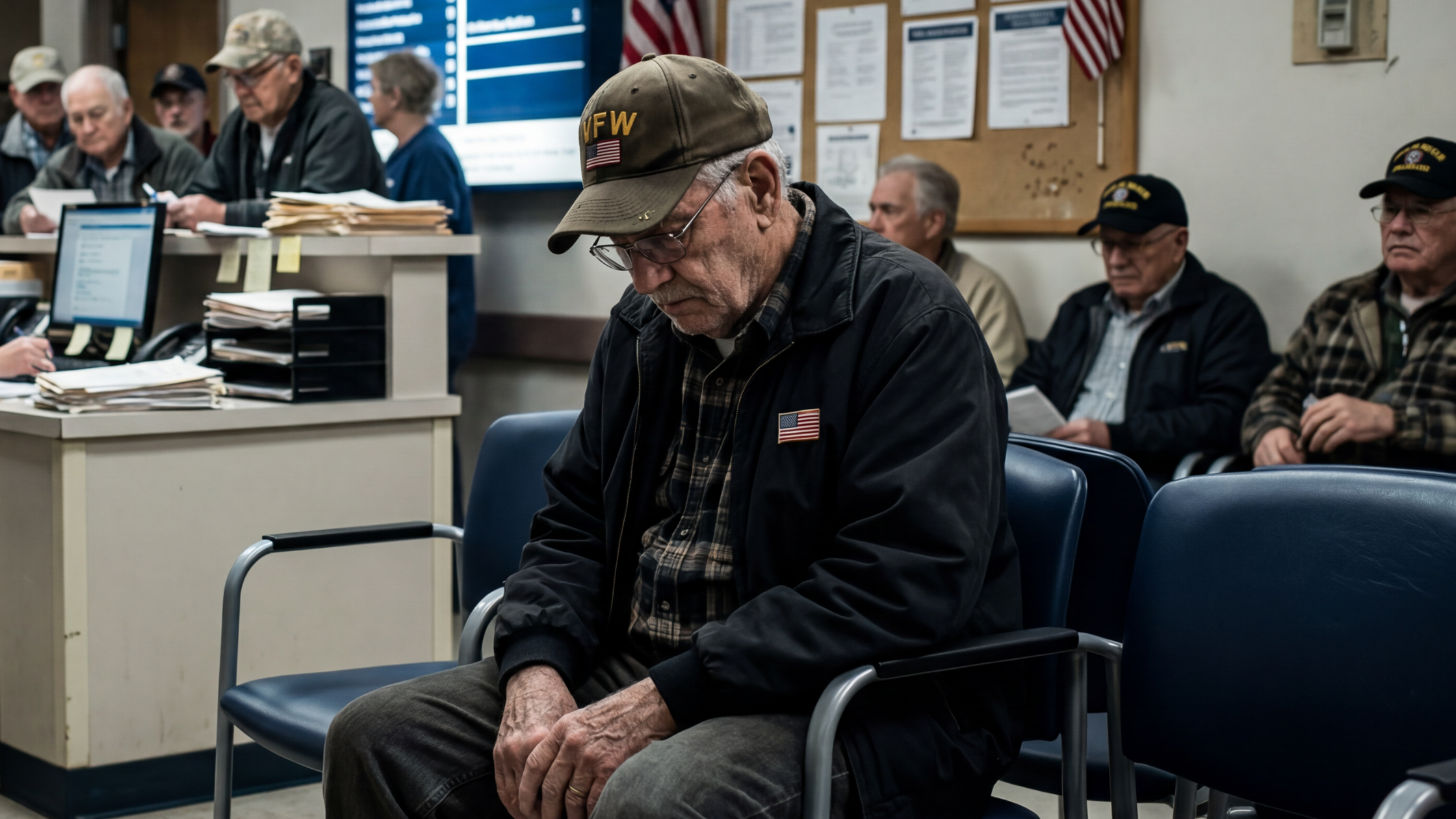
For many veterans, frustrations with the VA often feel personal … A delayed appointment. A longer-than-expected wait for a specialist. A claim that seems stuck in limbo. A phone call that takes far too long to return. But behind many of these experiences is a challenge that extends far beyond any individual office or employee: Staffing.
In 2026, the U.S. Department of Veterans Affairs continues to manage one of the largest healthcare and benefits systems in the United States. At the same time, it faces many of the same workforce pressures affecting healthcare systems nationwide. And while most veterans don’t think about staffing levels when they interact with the VA, the reality is that workforce capacity impacts nearly every service veterans rely on.
A Growing Demand for Services
The VA serves millions of veterans every year through:
- healthcare
- disability compensation
- education benefits
- mental health programs
- caregiver support
- community care networks
Demand has grown significantly in recent years.
Expanded eligibility through legislation such as the PACT Act has brought more veterans into the system, while an aging veteran population continues to require increasing levels of care.
At the same time, younger veterans are utilizing more services and engaging with the VA differently than previous generations.
Information about VA healthcare programs and services can be found through the agency’s official health portal:https://www.va.gov/health/.
The challenge isn’t simply providing services.
It’s having enough people available to deliver them.
Healthcare Isn’t the Only Area Feeling the Pressure
When most people hear “staffing shortage,” they think about doctors and nurses.
Those roles are certainly important.
The VA continues recruiting healthcare professionals through programs highlighted by its workforce initiatives:https://vacareers.va.gov/. But staffing challenges extend well beyond clinical care. The system also depends on:
- claims processors
- benefits specialists
- schedulers
- counselors
- support staff
- information technology professionals
- administrative teams
Each role contributes to the veteran experience.
When one area experiences shortages, the effects can ripple throughout the system.
Why Hiring Isn’t Always a Quick Fix …
A common question veterans ask is:
“If the VA knows it needs more staff, why not just hire more people?”
The answer is more complicated than it sounds.
Many positions require:
- specialized training
- security clearances
- professional licenses
- onboarding periods
- extensive knowledge of federal systems
Even after hiring occurs, it takes time for new employees to become fully effective.
Healthcare organizations across the country are experiencing similar challenges, which has created significant competition for qualified professionals.
The Impact Veterans Actually Feel
Veterans rarely see staffing reports. They see outcomes.
Those outcomes may include:
- longer appointment wait times
- difficulty accessing specialty care
- slower claims processing
- increased reliance on community care providers
- delayed responses to inquiries
In many cases, these experiences aren’t caused by a lack of effort. They’re often a reflection of a system trying to balance growing demand with available capacity.
Progress Is Still Happening …
None of this means the VA isn’t improving. In fact, modernization efforts continue across the agency. Technology upgrades, digital tools, expanded online services, and recruitment initiatives are all designed to improve efficiency and access. But workforce development takes time.
The VA’s challenge is not simply maintaining services today — it’s building enough capacity to meet tomorrow’s demand as veteran needs continue evolving.
Why This Matters for Veterans
Understanding the workforce challenge helps explain something many veterans encounter:
Why improvements in funding, technology, and programs don’t always translate into immediate improvements in experience.
Resources matter.
Staffing matters too.
The two must work together.
Without sufficient personnel, even well-funded programs can struggle to reach their full potential.
Final Thoughts …
The VA’s workforce challenge isn’t just an internal administrative issue. It’s something veterans experience every day through appointment scheduling, claims processing, and access to services.
While significant progress has been made in expanding programs and modernizing systems, building and retaining a workforce capable of supporting millions of veterans remains one of the agency’s most important responsibilities. Because at the end of the day, every benefit, appointment, and service depends on the people delivering it.
2 thoughts on “The VA Is Facing a Workforce Challenge — Why Staffing Shortages Affect Every Veteran”
100% disabled veterans that ear still capable to work in some area should be allowed to work this keeps them active and important
Without losing any benefits the have rights to
Yes staffing is an issue. Our VA has never been fully staffed or funded, and the effort to privatize has been in full swing. The white christian nationalist put in charge of our VA to destroy it has been laying off employees since he got the hatchet job. According to the information I have been able to get, and getting information is extremely difficult if not impossible, many have left my former VA hospital. Some of my surgical team are gone, my radiologist is gone, my personal physician is gone, my Social Worker is gone. How many others were forced out one way or another?
Comments are closed.