
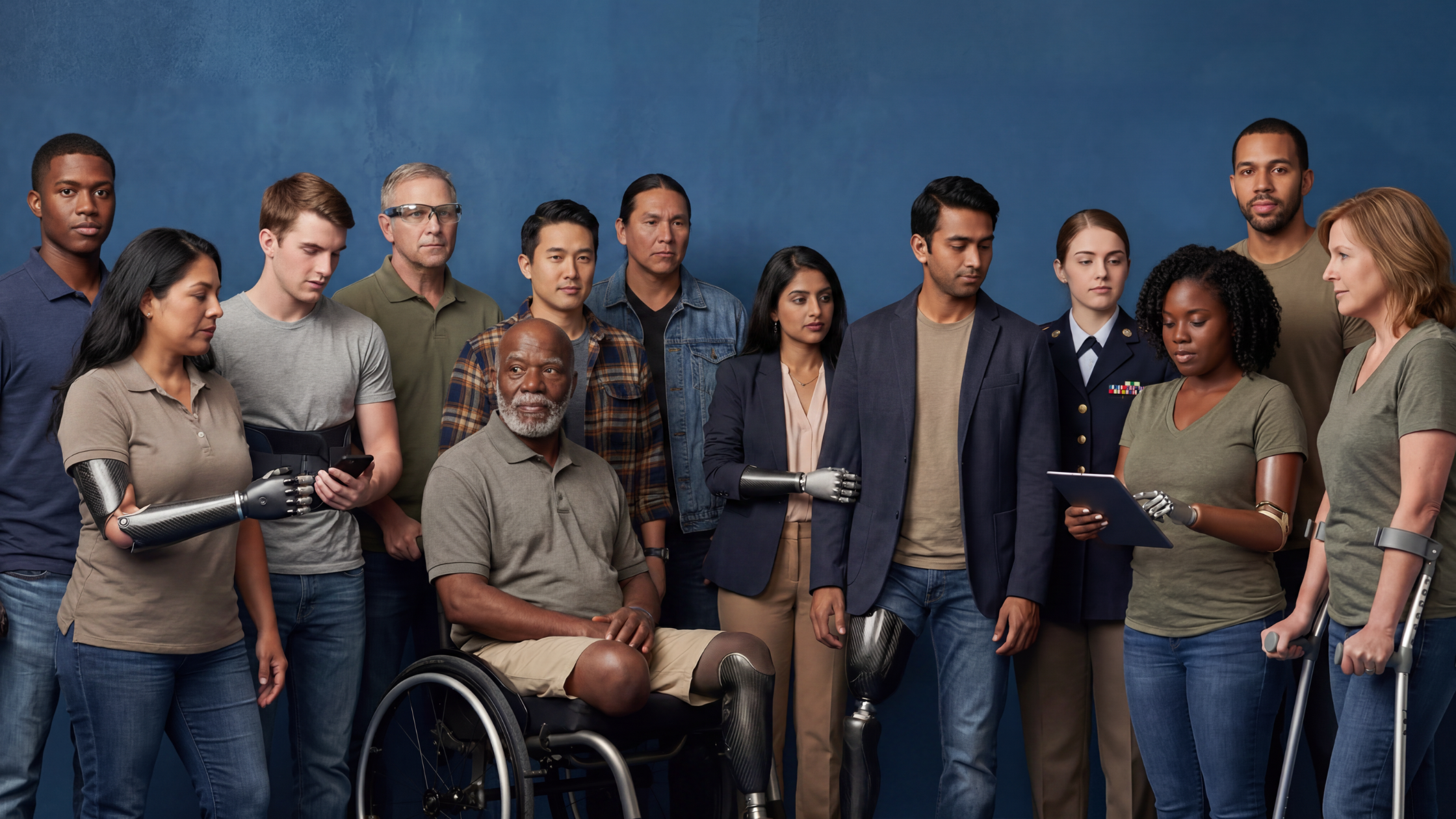
Military service has changed. Veterans have changed. And increasingly, the VA is changing too.
For decades, the Department of Veterans Affairs primarily served veterans from World War II, Korea, Vietnam, and the Cold War era. Today, however, a growing share of veterans entering the system served during the post-9/11 generation.
They’re bringing different experiences.
Different expectations.
And different ideas about what veteran support should look like.
In many ways, the future of the VA is being shaped by a generation that grew up in a digital world and expects services to reflect that reality.
A Different Veteran Population …
Today’s veterans often enter the VA system expecting:
- online access
- mobile-friendly tools
- digital communication
- faster information delivery
- greater transparency
These expectations aren’t unreasonable.
They’re simply reflective of how modern life works.
The VA has responded by investing heavily in digital modernization, online services, and self-service tools available through: https://www.va.gov/.
This shift isn’t just technological.
It’s cultural.
Mental Health Conversations Have Changed
One of the biggest differences between generations is how mental health is discussed.
While stigma certainly still exists, younger veterans are generally more willing to:
- seek help
- discuss mental health challenges
- access counseling services
- utilize peer support resources
This has influenced how the VA delivers care and develops programs.
Resources available through the VA’s mental health services continue expanding: https://www.va.gov/mental-health/. The result is a system increasingly focused on whole-person wellness rather than crisis response alone.
Family Support Matters More Than Ever …
Modern veterans often engage with benefits differently than previous generations.
Many are balancing:
- careers
- young families
- education
- caregiving responsibilities
This has increased interest in:
- caregiver programs
- family resources
- flexible healthcare options
- digital benefit management
The VA continues adapting to these realities as veteran demographics evolve.
Expectations Around Communication Are Changing
Perhaps the biggest shift involves communication itself.
Many younger veterans expect:
- immediate access to information
- online status updates
- self-service options
- proactive communication
While the VA continues modernizing, expectations often move faster than government systems can adapt. That tension is likely to remain a defining challenge for years to come.
Why This Matters
The future of the VA isn’t being shaped solely by policies or budgets.
It’s also being shaped by the veterans entering the system.
As demographics change, services will continue evolving to reflect new needs, priorities, and expectations. And that’s ultimately a positive thing.
A veteran support system should evolve alongside the people it serves.
Final Thoughts …
The next generation of veterans is changing more than demographics.
It’s changing expectations. It’s changing conversations. And it’s influencing how the VA thinks about access, communication, healthcare, and support.
The evolution won’t happen overnight. But it is already happening. And its impact will likely be felt throughout the veteran community for years to come.
2 thoughts on “The Next Generation of Veterans Is Changing the VA”
This is truly completely missing the facts, it is not only the VA that is. disconnected with reality its the new generation of veterans, even during my 37 years of service six combat theaters including Afghanistan never found this new generation of soldiers worth their salt in the military least of all in combat. Bunch of wannabee soldiers that never learned what it is to be a soldier. Yes the VA is attempting to handle this group of misfits while the VA itself is itself completely out of wack in helping military combat soldiers, i cry for the condition of todays’ military if you have the ignorance of calling it the military. The VA is exacting what they are disconnected with reality
va is not doing its jobs its disconnected to veterans needs and support its bogged down too many rules regs and workers who place sel;f wants etc abopve the vets into jobs and then the force and admin is beyond lazy its incompetent.. im white so white you can see my veins usa honorable vietnam lady..i chose to srtay in my home im denied transposrt services to comunity care i have one eye and sugery boots on feet i simply asked for a can and that had a seat so could wait on a ride to and from on r teck bus or taxi. im poor alone without family supportand now no va support they threw mew away and thats a fact..no wonder va has issues..and why when they stress vets to the limits of endurance that sh happens and its vets faulkt …hardly they slime us you all should read your total file its in favor of va not you.dont foget funds to you used in slush fund to them ever wonder at poor services..malicious .
Comments are closed.