
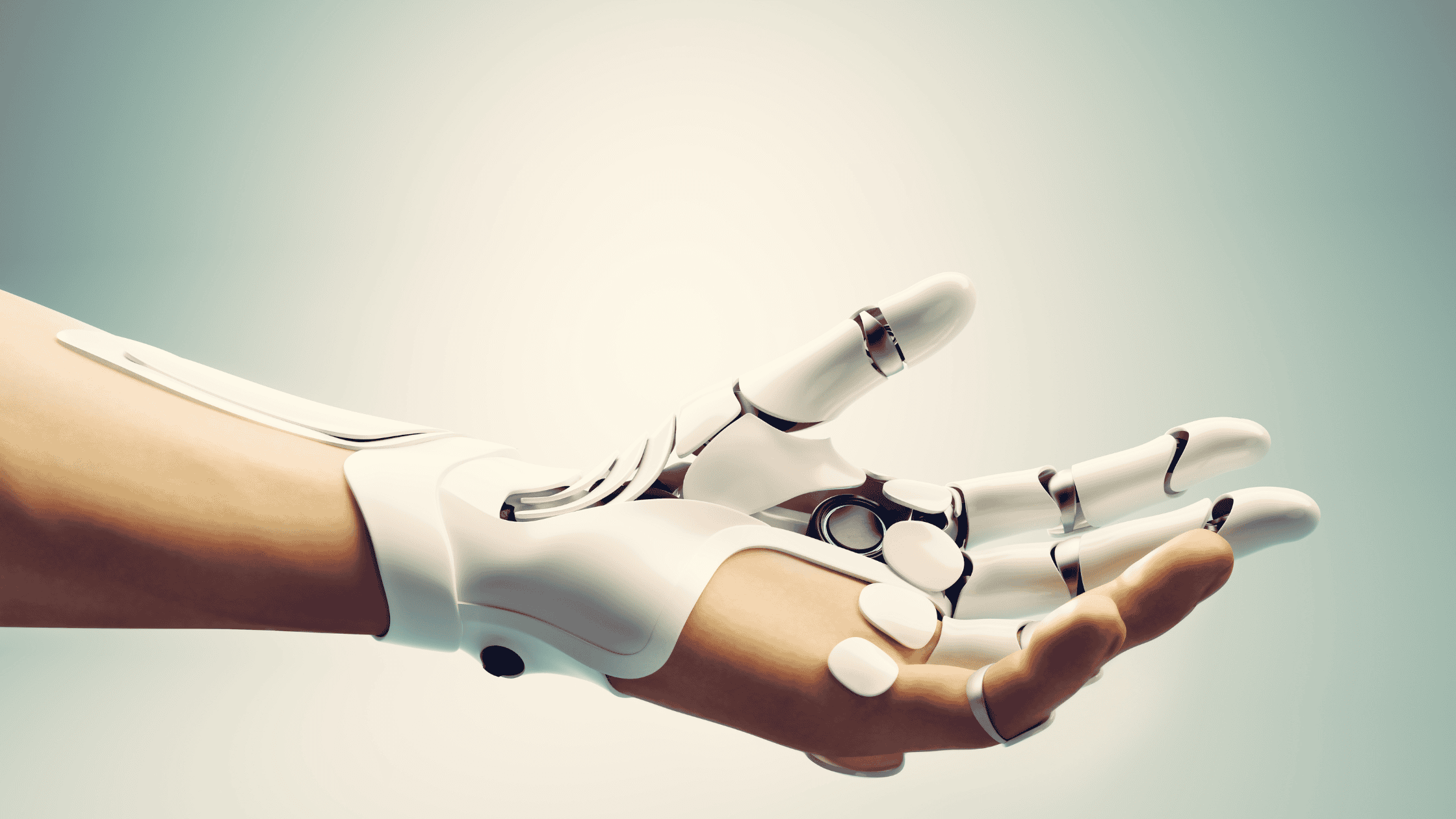
How New Mobility and Prosthetic Technology Is Shaping a More Independent Future for Veterans
As 2025 comes to a close, one area of veteran care continues to quietly but meaningfully evolve: mobility and prosthetic technology. For veterans living with limb loss or mobility-limiting injuries, advances in research, design, and rehabilitation are reshaping what independence can look like — not just in theory, but in everyday life.
From university partnerships to VA-supported research initiatives, innovation in this space is accelerating. While progress often takes time, the momentum heading into 2026 suggests a future where function, comfort, and quality of life continue to improve for veterans nationwide.
Why Mobility Innovation Matters …
Mobility challenges affect far more than physical movement. They can influence employment opportunities, mental health, social connection, and long-term independence. For veterans, especially those with service-connected injuries, access to effective prosthetics and mobility technology can be life-changing.
Recent research has focused not only on durability and function, but on:
- Improving comfort and customization
- Reducing strain and secondary injuries
- Enhancing balance, adaptability, and real-world usability
- Integrating technology that responds to the user’s movement and environment
This shift toward veteran-centered design reflects a deeper understanding that mobility solutions must adapt to people — not the other way around.
VA and University Partnerships Driving Progress
Much of the innovation in prosthetics and mobility technology is happening through partnerships between the VA, universities, and research institutions. These collaborations allow researchers to test new designs, materials, and technologies with direct input from veterans.
For example, the VA Rehabilitation Research & Development Service(RR&D) supports projects focused on advanced prosthetics, exoskeletons, and assistive mobility devices aimed at restoring function and independence.
Additionally, VA-affiliated research centers work closely with academic partners to study next-generation prosthetics that improve responsiveness and reduce fatigue — areas that directly impact day-to-day life for veterans.
These efforts ensure innovation is grounded in real-world needs, not just laboratory success.
Technology Is Becoming More Adaptive and More Human …
Modern prosthetic and mobility research is increasingly focused on adaptability. Advances in sensor technology, lightweight materials, and AI-assisted movement are allowing devices to respond more naturally to a user’s intent. Some emerging developments include:
- Prosthetics that adjust automatically to terrain changes
- Improved socket designs that reduce pressure and skin injury
- Smart systems that adapt movement based on gait and balance
- Enhanced rehabilitation tools that speed up learning and recovery
While not every breakthrough reaches veterans immediately, these innovations represent a steady shift toward solutions that feel less mechanical and more intuitive.
Momentum Heading Into 2026 …
Looking ahead, research momentum continues to build. VA-supported mobility and prosthetics initiatives remain a funding priority, and universities are expanding veteran-focused research programs aimed at improving long-term outcomes.
Veterans seeking information or support related to mobility and prosthetics can explore the following resources:
- VA Rehabilitation Research & Development (RR&D): Supports prosthetics, mobility aids, and rehabilitation technology.
- VA Prosthetics & Sensory Aids Service: Provides devices and support for eligible veterans.
- VA Polytrauma System of Care: Specialized rehabilitation services for complex injuries.
- University-VA Research Partnerships: Ongoing collaborations advancing prosthetics and assistive technology.
These programs reflect a growing recognition that mobility and independence are foundational to veteran well-being — and that innovation must keep pace with evolving needs.
Final Thoughts …
Progress in mobility and prosthetic technology doesn’t always arrive in dramatic leaps. More often, it advances through steady refinement, collaboration, and listening to the lived experiences of veterans themselves. Each improvement — whether in comfort, adaptability, or accessibility — represents a meaningful step toward independence.
Looking Ahead Into 2026 …
a Journey of Reflection and Action.
As the year comes to an end, many veterans are reflecting on a long journey marked by resilience, adaptation, and persistence. While challenges remain, advances in mobility and prosthetic technology offer a clear reminder that progress is happening — and that the future continues to open new doors.
Looking ahead to 2026, innovation, research, and advocacy are aligning in ways that promise better outcomes and greater independence for veterans across the country. The road forward may not always be easy, but momentum matters — and it’s building.
Here’s to a new year filled with continued progress, renewed strength, and possibilities that keep expanding.