What the 119th Congress Means for Veterans in 2026 — Without the Politics
As 2026 gets underway, a new Congress is officially in session. While election cycles and party dynamics often dominate headlines, many veterans are asking a simpler, more practical question: What does this mean for me?
The answer isn’t about politics — it’s about process.
Every new Congress brings shifts in committee leadership, legislative priorities, and the pace at which veteran-focused issues move forward. Understanding how that system resets helps veterans, families, and advocates know what to watch in the year ahead.
A New Congress, a Reset Process
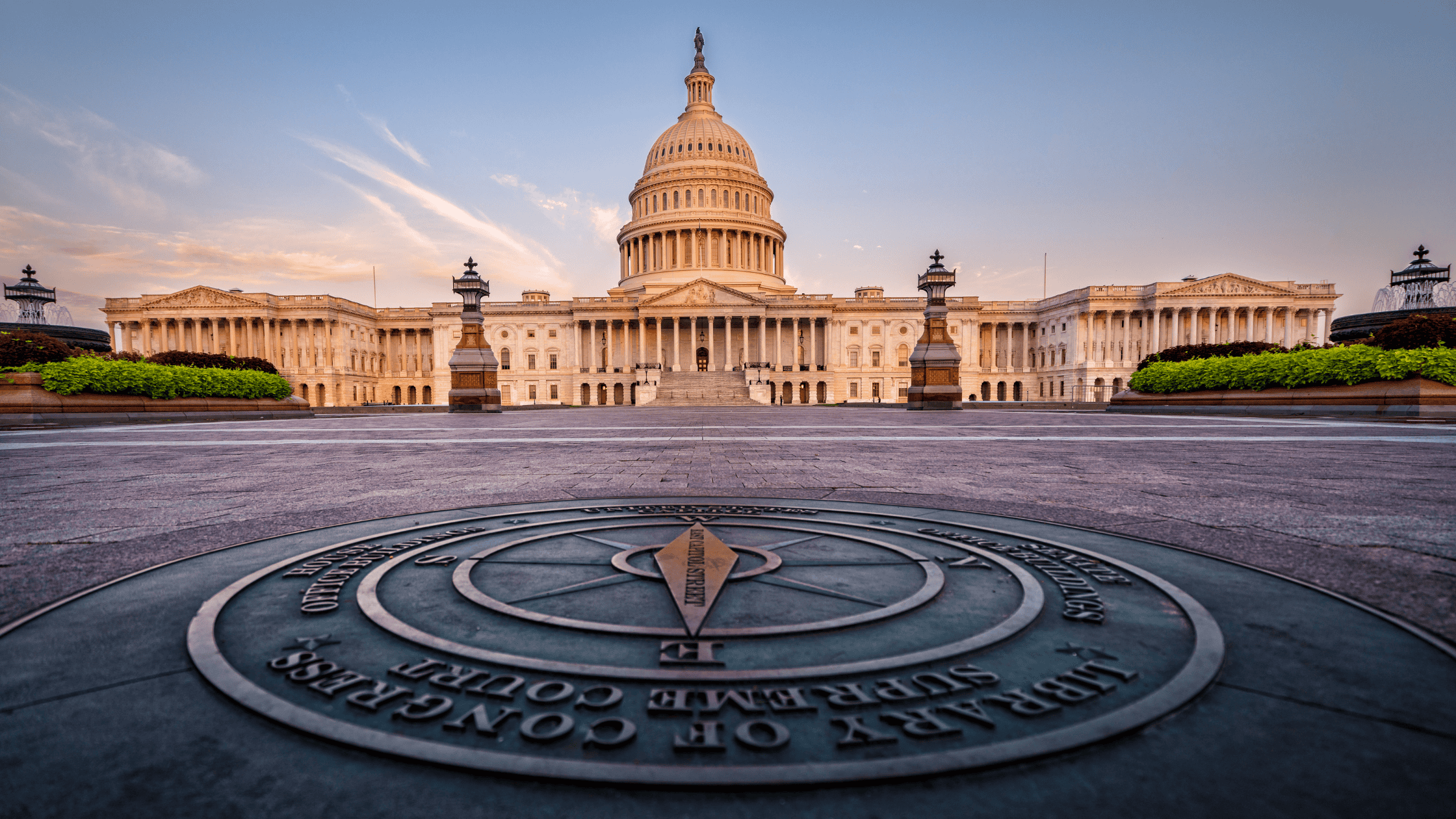
The 119th Congress, which convened in January 2026, marks the formal reset of legislative activity for the next two years. Bills that didn’t pass previously must be reintroduced, committees reorganize, and oversight agendas are refreshed.
For veterans, much of this work flows through two key bodies:
- The House Committee on Veterans’ Affairs
- The Senate Committee on Veterans’ Affairs
These committees shape legislation related to benefits, health care access, disability compensation, education, housing, employment, and oversight of the Department of Veterans Affairs.
You can view current committee activity and hearings through the official House Veterans’ Affairs site at: https://veterans.house.gov/ as well as the Senate counterpart at: https://www.veterans.senate.gov/.
What Typically Gets Attention Early in a Congress
While every session is different, early legislative periods often focus on:
- Oversight of existing VA programs
- Implementation follow-through on previously passed laws
- Budget execution and accountability
- Reintroduced bipartisan bills that had momentum in the prior Congress
Rather than sweeping reforms, the first months tend to emphasize ensuring systems already in place are working as intended — something veterans experience directly when accessing benefits or services.
Why This Matters to Veterans …
Congressional structure may feel distant, but its impact isn’t.
Committee priorities influence:
- How quickly issues are addressed
- Which concerns receive hearings
- Where funding oversight is applied
- How veteran feedback translates into legislative action
Even without passing new laws, hearings and reports can lead to changes in VA operations, clarifications in policy, or pressure to resolve long-standing challenges.
For veterans, staying informed helps set expectations — especially when changes take time to move from discussion to action.
What Veterans Can Watch in 2026
As the year unfolds, veterans may want to keep an eye on:
- Committee hearing schedules
- Reintroduced veteran-focused legislation
- Oversight reports related to VA performance
- Budget discussions tied to veteran programs
These signals often indicate where attention is being directed long before any formal changes are felt on the ground.
Final Thoughts …
A new Congress doesn’t automatically mean immediate change — but it does mark the start of a new cycle of decision-making that affects veterans nationwide.
Understanding how that cycle works, and where veteran issues are addressed within it, helps cut through noise and focus on what actually matters: access, accountability, and follow-through.
As 2026 continues, staying informed is one way veterans and advocates can remain engaged — without getting pulled into partisan headlines that don’t reflect day-to-day realities.